

How to build an MVP: define one user, one problem, one working flow. Prove real users can complete it. Expand only when the evidence supports it. CB Insights found no market need as the leading startup failure cause — an MVP tests for that before the budget is committed. Launch MVP Fast builds production-ready MVPs for non-technical founders, fixed timeline, transparent pricing, full ownership. Every step beyond the core flow is where founders lose control.
- What counts as a real MVP
- How to build an MVP step by step
- What to hand a builder before you ask for a quote
- How to build an MVP without hiring developers
- What founders get wrong when they build an MVP fast
- How to stay in control when you cannot read the code
- What happens after the MVP is live
What counts as a real MVP
An MVP, or minimum viable product, is the smallest working version of a product that can test one business assumption with real users. The word working matters. A pitch deck is not an MVP. A clickable prototype is not an MVP — for a precise comparison of where each fits, see MVP vs prototype vs PoC. A landing page can be an MVP if the thing you need to test is demand, but it is not an MVP if the thing you need to prove is whether users can complete a product workflow.
For a non-technical founder, the cleanest definition is this: an MVP lets the first real user complete the one action your business depends on. A marketplace MVP lets a buyer request or buy something from a seller. A SaaS MVP lets a user sign up, do the core job, and see the result. A services marketplace MVP lets a customer submit a request and lets the operator fulfill it without duct tape behind every click.
The MVP does not need every dashboard, automation, or account setting. It does need the core flow to work under real conditions: real logins, real data, real permissions, real error states, and a way for the founder to see whether users completed the flow.
That distinction protects your budget. CB Insights' startup failure analysis has long cited no market need as the leading startup failure reason. An MVP reduces that risk only when it tests market behavior, not when it becomes a small version of a full product nobody has validated yet.
How to build an MVP step by step
The practical answer to how to build an MVP step by step is a seven-part sequence: define the user, define the core flow, cut the feature list, prototype the risky screens, build the production path, test in staging, and launch to a small user group. Teams use different labels, but the decisions stay the same.
- Name the first user. Do not start with "users." Start with one person type. A landlord approving a maintenance request. A coach assigning a workout. A founder inviting their first customer into a dashboard. The first user determines the first flow.
- Write the core job. The core job is the action the product must make easier. If the product helps founders collect customer interviews, the job may be "schedule, record, and tag one interview." Anything outside that job has to fight for inclusion.
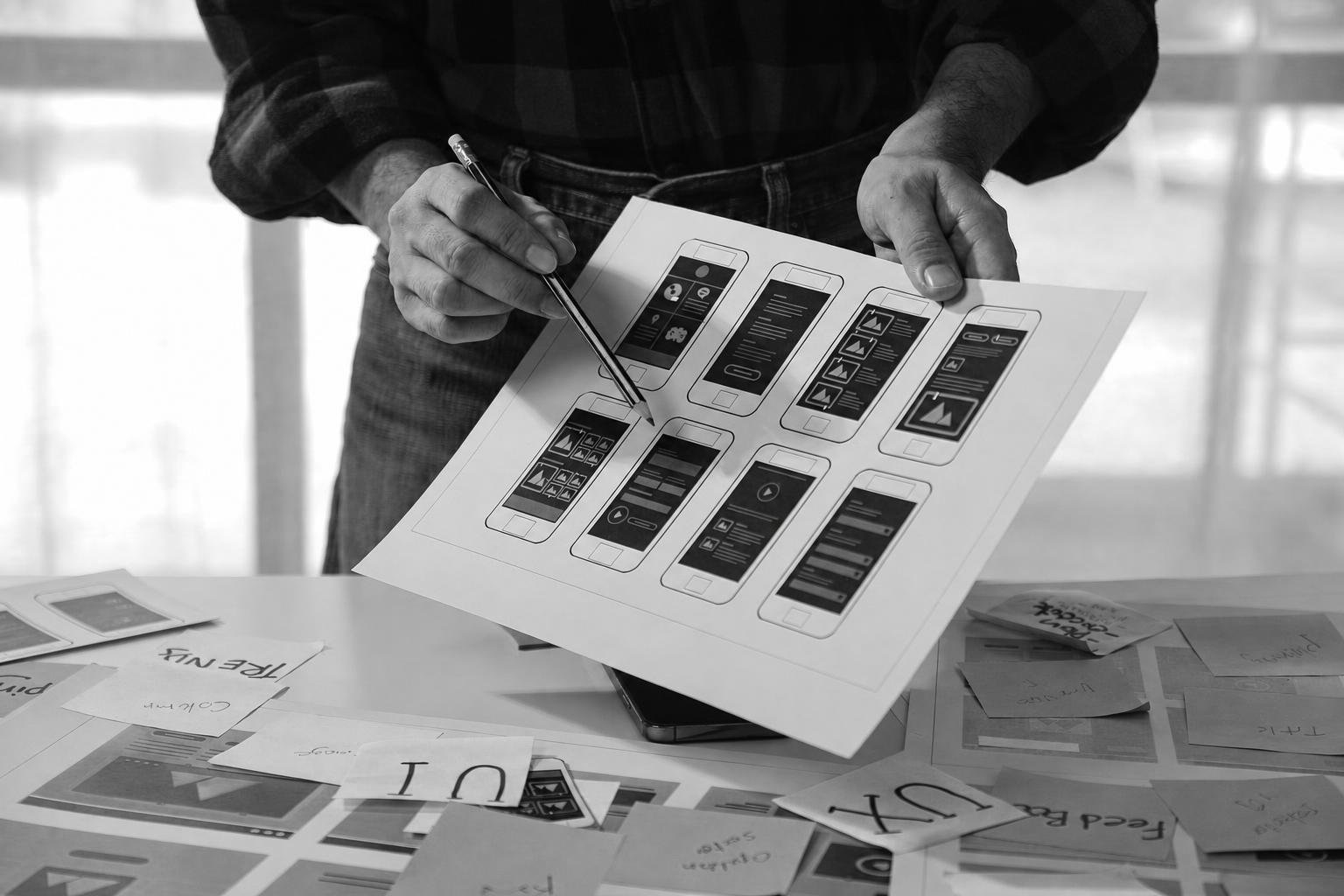
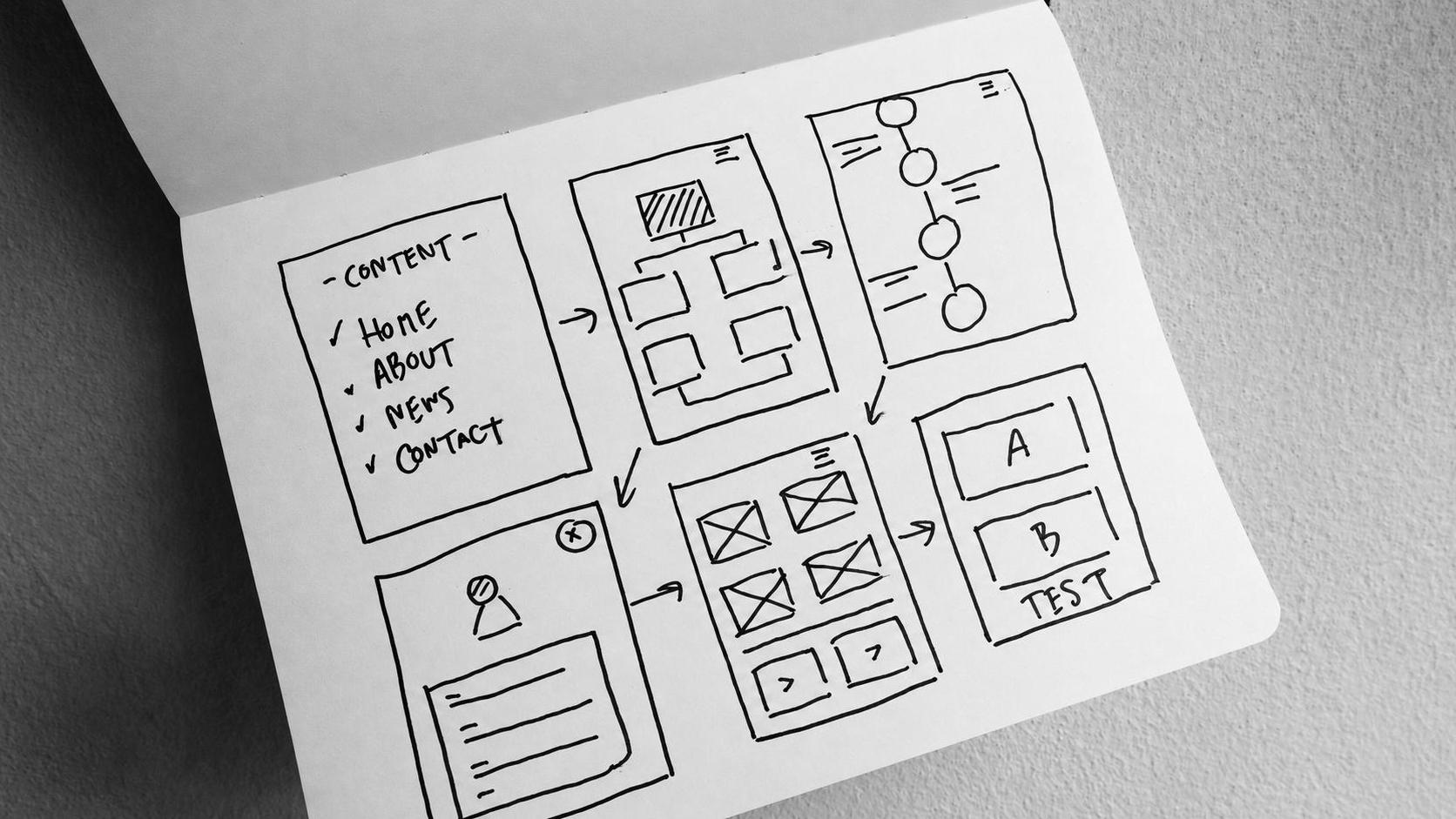
- Map the happy path. Write the ideal sequence from signup to success. This becomes the first wireframe pass and the first acceptance test.
- Map the ugly path. List what happens when the user enters bad data, skips a step, cancels a payment, loses a password, or has no data yet. These states are not polish. They are where early products break.
- Cut the scope. Keep the smallest feature set that proves the core job. Move admin shortcuts, advanced filters, team roles, and nice-to-have reporting into a post-launch list unless the first test depends on them.
- Build against acceptance criteria. Each feature needs a pass/fail definition in plain English. "Users can upload a file" is vague. "A founder can upload a PDF under 10MB, see a progress state, and receive an error if the file type is wrong" can be tested.
- Launch to a narrow group. Ten relevant users teach you more than a public launch with the wrong audience. Your first launch should produce feedback, not applause.
Y Combinator's MVP planning guidance points founders toward sharp problem definition before product expansion. That is the part founders skip when they are nervous. They add features because a larger product feels safer. A larger product only gives you more assumptions to debug at once.
What to hand a builder before you ask for a quote
A vague quote produces a vague build. Before you ask an agency, freelancer, or internal developer how much it will cost to build an MVP, hand them enough detail to estimate the actual product. You do not need technical specs. You need decision clarity.
Bring these five inputs:
- A one-sentence product promise. Name the user, the problem, and the result. If the sentence needs three clauses, the product needs more narrowing.
- The core user flow. Write every step from landing on the product to getting the promised result. Plain English is enough.
- The first feature list. Split it into must-have, should-have, and later. The must-have list should feel uncomfortably short.
- Known integrations. Payments, email, calendar, maps, AI APIs, authentication, analytics, and data imports all affect timeline and cost.
- Success criteria for the first launch. Pick two or three measures: activation rate, completed transactions, paid preorders, interview bookings, retention after seven days. Vanity metrics do not decide what to build next.
Turn the core flow into acceptance criteria before anyone writes code. Acceptance criteria are plain-English pass/fail checks for each feature. They protect both sides because they turn "done" from a feeling into a visible standard. For a booking MVP, the criterion might be: a customer can choose an available slot, pay with a card, receive a confirmation email, and see the booking in their account. For a marketplace MVP, it might be: a seller can create a listing, a buyer can request it, and the operator can approve or reject the transaction from an admin screen.
This exercise also exposes missing product decisions. If you cannot write the success and failure states for a feature, the feature is not ready for development. A team can help you decide the technical solution, but they should not have to guess the business rule. "Users can invite teammates" sounds small until someone asks who can remove a teammate, what happens to their data, whether invitations expire, and whether the first version needs team billing. These details decide the estimate.
This is also the right moment to decide whether you need to build an MVP app, a web app, or a manual workflow with a thin interface. Founders often search for how to build an MVP app when the smarter first question is whether the first user needs an app at all. A mobile app can be right when the use case depends on camera access, push notifications, location, or repeated on-the-go behavior. A web app is cheaper and faster when the first user can complete the job from a browser. For many startup founders, web first is the most honest path because it tests the business before the app stores, device testing, and mobile release process add cost.
This is where the phrase build an MVP for startups can mislead people. A startup MVP is not a smaller enterprise product. It is a risk test with enough software quality to produce trustworthy evidence. If the product collects sensitive data, processes payments, or needs several user roles, the "startup" version still needs production standards. The cuts should come from scope, not from security, ownership, or maintainability.
For a full breakdown of what drives MVP development costs by build type, see how much it costs to build an MVP. If you want a neutral baseline before talking to vendors, the Launch MVP Fast estimate tool gives you a scoped timeline and cost range in a few minutes with no call required. Use that number to compare quotes, not as a reason to skip scope.
How to build an MVP without hiring developers
You can build an MVP without hiring developers when the riskiest assumption is demand, not software behavior. A landing page with a waitlist can test whether anyone wants the promise. A concierge MVP can test whether people value the result while you deliver it manually. A no-code tool can test the workflow if the data model is simple and the user experience can tolerate rough edges.
This path works for three situations:
- You need proof before spending build budget. A paid preorder, a signed letter of intent, or ten serious discovery calls beats a polished product nobody asked for.
- The workflow can run behind the scenes. If users do not care whether a human or software performs the back-office step, manual delivery can validate the business before automation.
- The product logic is simple. Forms, notifications, basic dashboards, and spreadsheets can carry a first test if the product does not require complex permissions, performance, or integrations.
You need developers when the test depends on reliable software behavior. Payments, multi-user permissions, custom matching logic, AI workflow orchestration, private data, audit trails, mobile device features, or high-volume usage should not be glued together if the result will shape investor, customer, or partner trust. If you plan to build an AI MVP, treat the AI call as one part of the system, not the whole product. The useful work still sits around it: data permissions, prompt boundaries, error handling, audit logs, user feedback, and a fallback path when the model gives a weak answer.
The honest version: no-code can help you make an MVP and learn fast. It can also create a fragile system that breaks the first time usage becomes real. Use no-code when speed of learning matters more than code ownership. Use a production build when the MVP itself has to become the foundation for the next version. The same filter applies when founders ask how to create a MVP with a template: a template can validate layout and demand, but it cannot validate complex behavior unless the behavior is working. To create a good MVP with a template, the behavior has to run, not look polished in a demo.
What founders get wrong when they build an MVP fast
Founders who want to build an MVP fast make one of two mistakes. They either cut quality instead of scope, or they keep scope and hope the team can compress the timeline. Both choices create the same failure: a product that looks ready in a demo and breaks when users behave like users.
They confuse minimum with unfinished. Minimum means the product has fewer features. It does not mean weak authentication, missing error states, no staging environment, or code nobody can maintain. A small production-ready product beats a large fragile demo.
They add the feature that makes them feel safe. Reporting dashboards, admin exports, custom onboarding, team permissions, and advanced settings feel responsible. Some belong in v1. Most belong after the first users prove the core flow deserves more investment.
They accept a quote before the scope exists. A vendor can price a discovery phase from a rough idea. They cannot price the full build without a feature list, flow, integration list, and acceptance criteria. A confident quote based on a vague idea means the surprise arrives later. Every undecided feature is a scope creep risk — an undocumented assumption the team will have to resolve mid-build, at full billing rate.
They skip staging because the demo works. A staging environment is the private version of the product where you test before launch. It should exist throughout development. If you only see the product at handover, you lose the chance to catch misunderstandings while they are cheap to fix.
They forget the handover. Building the MVP is not complete when the product goes live. It is complete when you own the code, accounts, deployment process, documentation, and enough context for another developer to work on it.

How to stay in control when you cannot read the code
Non-technical founders cannot evaluate every line of code, but they can evaluate process signals. Those signals tell you whether the build partner has control of the work or whether they are improvising behind a polished demo.
Ask for these proof points at each stage:
- Before build: a written scope with the core flow, feature list, out-of-scope list, integrations, and acceptance criteria.
- During design: wireframes for the happy path, zero state, empty state, error state, and permission edge cases.
- During development: staging access, weekly release notes, what changed since the last build, and what was tested.
- Before launch: a bug list ranked by severity, a deployment checklist, owner access to accounts, and a handover date on the calendar.
- After launch: a 30-day warranty or support period that covers bugs in the agreed scope, not a vague promise to "help if anything comes up."
This is how to develop an MVP when you cannot inspect the code yourself: replace technical trust with observable deliverables. A good team will not resent that. They already produce those artifacts because they need them to run the build. A weak team treats these requests as extra work because the work has been living in their heads.
This is also how to build an MVP with trusted experts instead of chasing the cheapest quote. Trust is a documented scope, a visible staging environment, a clear timeline, and code ownership that transfers to you without drama. For founders who want to see what structured MVP development looks like in practice, the Launch MVP Fast services page walks through what a production build includes from estimate to handover.
What happens after the MVP is live
The first launch is not the finish line. It is the first moment when the product starts telling you what to build next. Your job after launch is to watch behavior, separate signal from noise, and protect the product from random feature requests.
Track four metrics first:
- Activation: the percentage of users who complete the core flow.
- Drop-off: the step where users abandon the flow.
- Error rate: the parts of the product that fail or confuse users.
- Qualitative feedback: the words users use when they explain what felt valuable, confusing, or missing.
Do not turn every request into a ticket. A single loud user can pull the product away from the market you meant to serve. Look for repeated patterns from the right audience. If three early adopters fail at the same step, fix the step. If five users ask for the same missing feature after completing the core flow, that feature may belong in v2. If nobody completes the flow, more features will not help.
A strong MVP gives you a product, a codebase, and a learning system. That is the difference between a first version that earns its next investment and a demo that has to be rebuilt before anyone can trust it.

If you can describe the first user, the core action, and the result they need to see, you are ready to build your MVP. If you cannot, start with interviews, a landing page, or a concierge test until the flow is clear enough to build.
Questions, answered.
A focused MVP takes 6–12 weeks after scope is approved. A simple workflow can ship in 4–6 weeks. A marketplace, mobile app, or product with multiple user roles needs 10–16 weeks. The timeline depends less on the idea category and more on the number of user flows, integrations, and edge cases the team must build.
A production-ready MVP often costs $25,000–$80,000 with a professional team. A narrow web product sits near the lower end. A mobile app, marketplace, or workflow with payments, permissions, and custom dashboards costs more. Cheap builds can work for demos, but founders pay again when demo-quality code has to be rebuilt for real users.
You can build an MVP without hiring developers when the test is a landing page, manual concierge workflow, clickable prototype, or no-code form. You need developers when users must log in, store data, pay, invite others, or complete a workflow that has to run under real conditions. The first question is what behavior you need to prove.
The first step is writing the core user flow in plain English. Name the first user, the problem they need solved, the one action they must complete, and the result they should see. That flow becomes the filter for every feature decision. Without it, the MVP turns into a list of ideas instead of a product.
An MVP handover should include owner access to the code repository, hosting, database, domain, analytics, and third-party accounts. It should also include setup instructions, deployment steps, environment variables, architecture notes, and a walkthrough of the core codebase. Without those assets, you received access to a product but not full control of it.